
Spaced Repetition for GCSE Revision: Simple 1-3-7-21 Plan
GCSE students, master spaced repetition with our easy 1-3-7-21 schedule. Fit revision around homework, boost memory, and ace your exams. Start improving today!
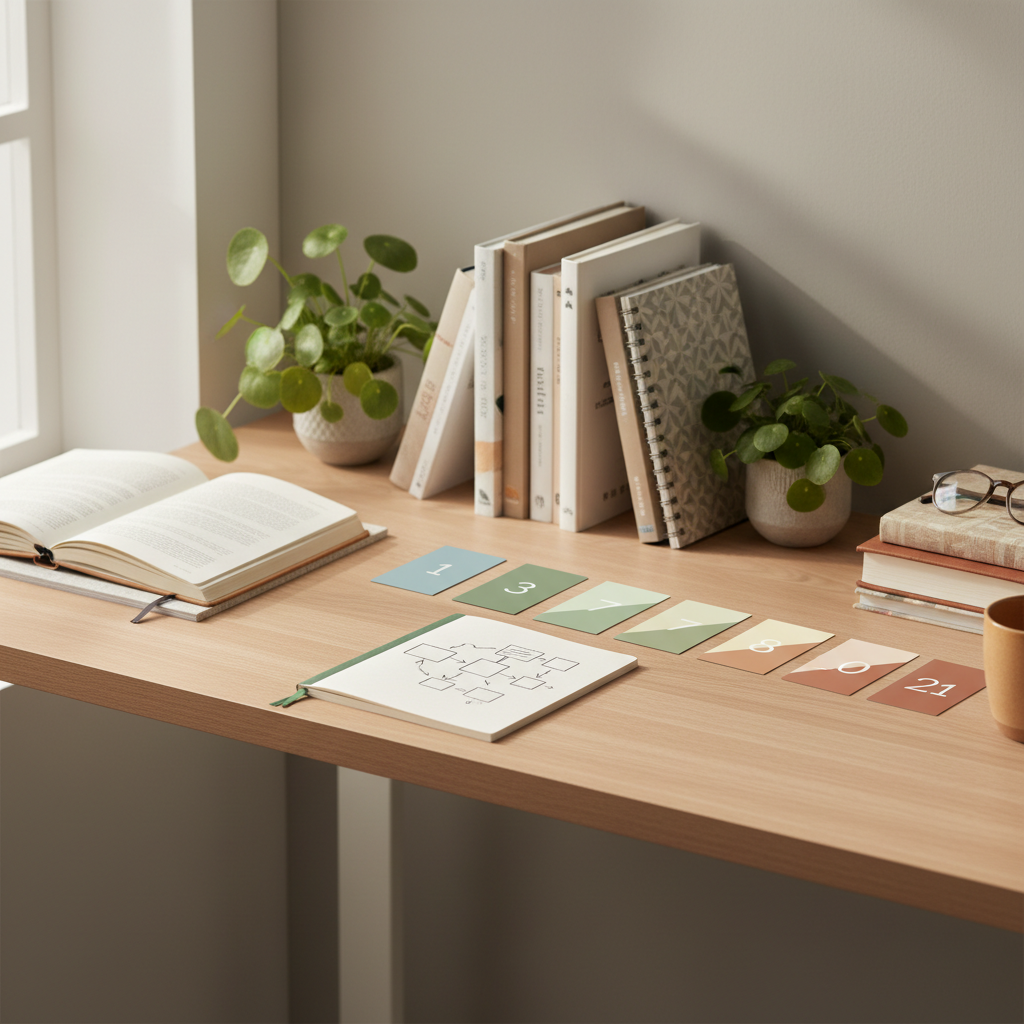
Are you grappling with the sheer volume of information for your GCSEs? Spaced repetition is a powerful, evidence-backed technique that can revolutionise how you learn and remember. It's about reviewing material at increasing intervals, tricking your brain into solidifying memories for the long term. Forget endless cramming sessions; this method is smarter, not harder, and perfectly suited to fitting into a busy student's life. Let's dive into how you can implement a simple yet effective spaced repetition schedule for your GCSE revision.
Why Spaced Repetition Works for GCSEs
Your brain is constantly deciding what information is important to keep and what to discard. When you learn something new, your memory of it starts to fade quickly. If you review that information just as it's about to be forgotten, your brain gets the signal: "This is important!" Each subsequent review reinforces that message, making the memory stronger and more durable. For GCSE subjects, which demand remembering a vast array of facts, formulas, and concepts, this method is invaluable.
- Combats the forgetting curve: Directly addresses how quickly we forget new information.
- Builds strong, long-term memories: Moves knowledge from short-term to long-term storage.
- Reduces stress: No more last-minute panic as knowledge is consolidated over time.
- Efficient revision: You spend less time on already known material and more on what needs work.
The Simple 1-3-7-21 Spaced Repetition Schedule
This schedule is easy to remember and flexible enough to fit around your homework and extracurriculars. The numbers represent the days after your initial learning session.
- Day 1 (Initial Learning/Review): Today, you learned something new in class, or you've just revised a topic for the first time. Spend 5-10 minutes reviewing your notes or textbook summary at the end of the day. This immediate review prevents rapid forgetting.
- Day 3 (Second Review): Two days after your initial review, revisit the topic. This is a crucial early reinforcement. It might take 10-15 minutes. Use flashcards, quick quizzes, or mind maps.
- Day 7 (Third Review): A week after you first encountered the material, review it again. By now, it should feel more familiar. This session could be slightly longer, perhaps 15-20 minutes, tackling a few practice questions.
- Day 21 (Fourth Review): Three weeks later, it's time for another pass. This review really locks the information in for the long haul. You might spend 20-30 minutes, perhaps attempting past paper questions related to the topic.
After Day 21, you can extend the intervals further, perhaps to 30 days, 60 days, and so on, until your GCSE exams. The key is consistency.
Practical Tips for Integrating Spaced Repetition for GCSE Revision
Making this schedule work requires a little organisation, but the payoff is huge.
- Break down topics: Don't try to revise a whole module at once. Focus on specific sub-topics or concepts during each spaced repetition cycle.
- Use active recall: Instead of just re-reading, actively test yourself. Flashcards, blurting out everything you remember, or explaining the concept to an imaginary friend are excellent methods. This is where active recall becomes key to effective spaced repetition for GCSE revision.
- Create a revision calendar: Mark your review dates for each topic. Seeing them laid out will help you stay on track and prevent overwhelming yourself.
- Utilise technology: Many apps are designed to help with spaced repetition (though a simple calendar works too!). You can also find great resources to help structure your GCSE revision.
- Be flexible: Life happens! If you miss a review, don't panic. Just pick it up as soon as you can and adjust the subsequent dates slightly.
- Know your weaknesses: Spend more time on topics you struggle with during your review sessions. The goal isn't just to see the material, but to understand and recall it.
Organising Your Revision Materials for Spaced Repetition
Effective spaced repetition for GCSE revision relies on well-organised resources. Here's how to keep everything in order:
| Material Type | How to Organise | Best for... |
|---|---|---|
| Flashcards | Digital apps (e.g., Anki) or physical cards separated into 'known' and 'unknown' piles. | Definitions, formulas, short facts, foreign language vocabulary. |
| Notes/Summaries | A dedicated notebook, digital document, or concept maps for each subject. | Overviews, explanations, linking ideas, complex processes. |
| Practice Papers | Organise by topic and year. Keep a record of scores and areas for improvement. | Applying knowledge, exam technique, identifying gaps. |
| Mind Maps | Large sheets of paper or digital tools. | Visual learners, connecting concepts, brainstorming. |
Remember to date everything! Knowing when you first learned or last reviewed a topic is crucial for sticking to your spaced repetition schedule. It also allows you to see your progress over time.
How GradeBooster Pro helps
GradeBooster Pro is designed to make your GCSE revision more efficient and effective. Our platform offers a wealth of revision materials, practice questions, and AI-powered tools that complement your spaced repetition efforts. By providing instant feedback and pinpointing areas for improvement, GradeBooster Pro helps you focus your review sessions on exactly what you need to remember most. This means you can spend your valuable revision time more effectively and build confidence for your exams.
Discover smarter ways to revise and boost your grades: https://gradeboosterpro.com
Keep reading
GCSE Maths Foundation vs Higher Which to Choose: 5 Factors
Stuck on GCSE maths foundation vs higher which to choose? Learn how your teachers decide, what each tier demands, and how to nail your target grade today.
How to Revise GCSE English Language Paper 1 for Grade 9
Master the reading section, student. Learn how to revise GCSE English Language Paper 1 with step-by-step timings and inference tips. Start revising now.
Best Revision Apps for GCSE 2026: 3 Features You Need
Aiming for Grade 9? Discover what makes the best revision apps for GCSE 2026 actually work, boost your memory, and track your progress. Read our guide.
How to Revise for GCSE Mocks in a Month: 4-Week Plan
Feeling behind on revision? Here is how to revise for GCSE mocks in a month with our realistic 4-week sprint plan. Build your confidence and start today.