
How Much Sleep Do GCSE Students Need? 5 Bedtime Rules
Worried your teen is exhausted during revision? Discover how much sleep GCSE students need, plus practical screen curfews parents can agree on today.
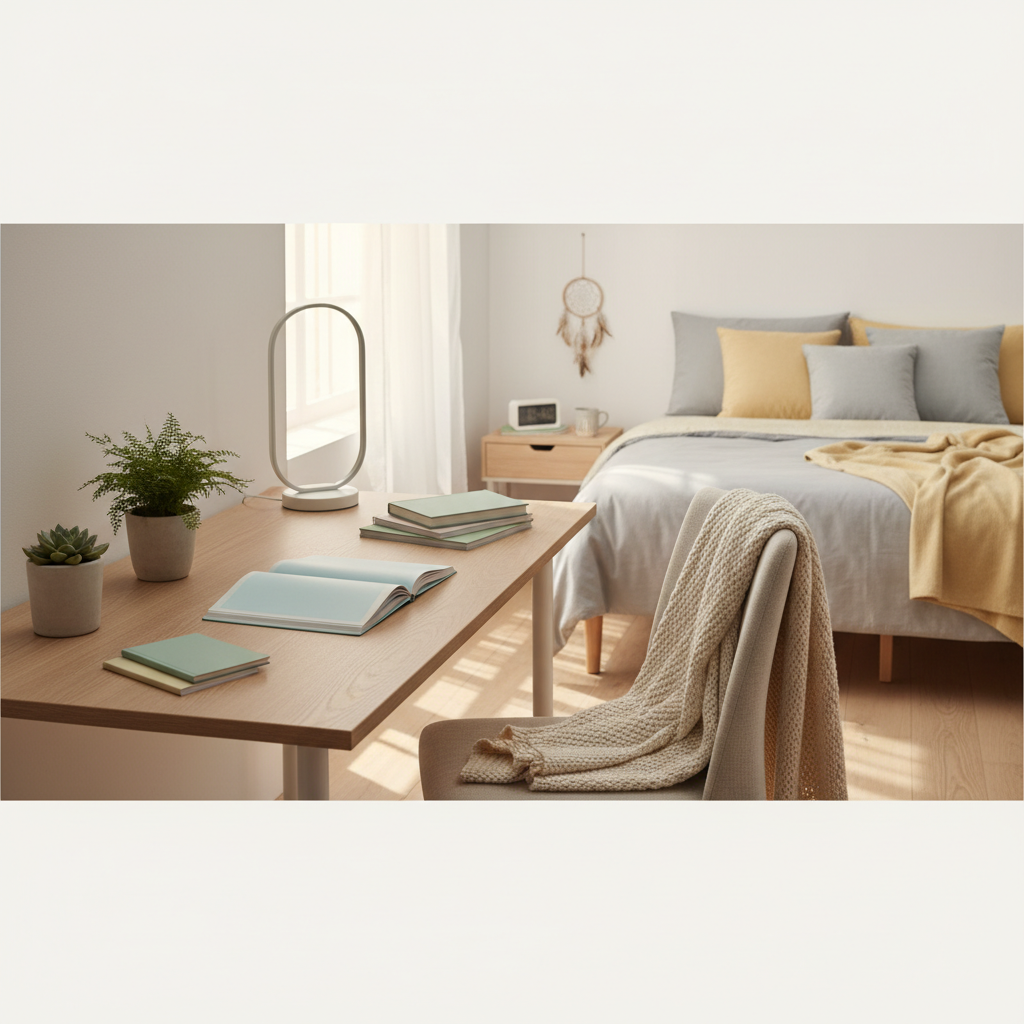
If your teenager is sitting their GCSEs this year, their bedroom light is likely staying on far later than you would like. Between past papers, homework deadlines, and the irresistible pull of their mobile phones, late nights quickly become the default routine. Yet revision without adequate rest is like pouring water into a leaky bucket; the brain simply cannot retain the facts your child spent hours studying.
The short answer: Exactly how much sleep do GCSE students need?
Medical bodies including the NHS and the Sleep Foundation recommend that young people aged 14 to 16 get between 8 and 10 hours of sleep per night. When parents ask us, "how much sleep do gcse students need?", we remind them that 15-year-olds are undergoing major physical and cognitive development. During exam periods, their brains work at maximum capacity, meaning dipping below eight hours quickly takes a toll on focus and emotional resilience.
While an occasional seven-hour night will not ruin an exam, chronic sleep deprivation creates brain fog. If your teen wakes up needing an alarm, struggles to concentrate in morning classes, or experiences sharp mood swings over dinner, they are likely carrying a significant sleep debt.
Why late-night cramming backfires in GCSE exams
Many teenagers stay awake past midnight because they believe sacrifice equals dedication. In reality, staying up late to revise does more harm than good.
Sleep is divided into distinct stages, and two of them are vital for academic performance:
- Deep slow-wave sleep: Clears metabolic waste from the brain and consolidates factual information, such as Science equations and History dates.
- REM (Rapid Eye Movement) sleep: Integrates new concepts with existing knowledge, aiding higher-order skills like English essay planning and complex Maths problem-solving.
Because long periods of REM sleep happen mostly in the final third of the night, cutting sleep short from nine hours to six hours disproportionately robs your teen of the exact mental processing needed for tricky exam questions. When exploring practical GCSE revision help for parents, protecting those final hours of sleep should always be step one.
The rested reviser vs the late-night crammer
To see why rest matters so much, consider how two different revision approaches play out over a standard school week:
| Feature | The Late-Night Crammer | The Rested Reviser |
|---|---|---|
| Bedtime | 12:30 am – 1:30 am | 10:00 pm – 10:30 pm |
| Total Sleep | 5.5 to 6.5 hours | 8.5 to 9 hours |
| Retention Rate | Low (forgets details within 48 hours) | High (memories transferred to long-term storage) |
| Morning Energy | Sluggish, relies on caffeine or sugar | Alert for morning exam papers |
| Exam Anxiety | High (heightened cortisol levels) | Manageable (regulated nervous system) |
Looking at these patterns makes it clear: when considering how much sleep do gcse students need, the priority must be memory retention rather than raw hours spent sitting at a desk.
Setting screen curfews that teenagers will actually accept
The biggest barrier to a good night's sleep is rarely revision itself; it is the smartphone. Blue light emitted by screens suppresses melatonin, the hormone that signals to the brain that it is time to sleep. Combined with fast-paced notifications on social media and group chats, your teen's brain stays wired long after the lights go out.
Imposing a sudden, authoritarian ban often leads to arguments and secret late-night phone use under the duvet. Instead, try these evidence-informed strategies to establish a screen curfew that sticks:
- Agree on the rule together: Have the conversation over the weekend when nobody is stressed. Frame the curfew around peak exam performance rather than discipline.
- Establish a neutral charging station: Buy a family multi-charger for the kitchen or hallway. All phones, tablets, and gaming consoles go to sleep there at an agreed time, typically 9:30 pm.
- Replace phone alarms with analogue clocks: A common excuse teenagers use is, "I need my phone because it's my alarm." Remove the temptation completely by buying an inexpensive digital or traditional bedside clock.
- Lead by example: If you scroll through your phone on the sofa at 10:30 pm, your teen will view the curfew as unfair. Place your own phone on the charging dock alongside theirs.
A 4-step evening wind-down routine for exam term
Routine breeds relaxation. When calculating how much sleep do gcse students need each evening, work backwards from their morning alarm by roughly nine hours, then implement this wind-down schedule:
- 8:30 pm: Down tools on active revision. High-intensity practice papers and flashcard drills should stop at least an hour before bed. Studying right up until lights-out keeps adrenaline high.
- 8:45 pm: The morning prep. Encourage your child to pack their school bag, lay out their uniform, and check their revision timetable for the following day. This empties their head of logistical worries.
- 9:15 pm: Tech shut-off. Devices are docked outside the room. The brain begins naturally releasing melatonin in response to dimmer lighting.
- 9:30 pm: Low-stimulus wind-down. Reading a book, listening to an audio track, or taking a warm shower helps lower the core body temperature, triggering natural drowsiness ahead of a 10:00 pm lights-out.
Using a structured GCSE revision app earlier in the afternoon helps teenagers cover their target topics in focused 20-minute bursts, eliminating the panic that leads to late-night study sessions.
Remember, so much of the debate around how much sleep do gcse students need comes down to efficiency. A student who studies with high focus for two hours and sleeps for nine will always outperform a student who procrastinates for five hours and sleeps for five.
How GradeBooster Pro helps
GradeBooster Pro makes focused revision achievable in shorter daily sessions, meaning your child never has to sacrifice their sleep to stay on top of the syllabus. Our smart platform pinpoints your teen's exact weak spots and serves targeted, bite-sized practice questions with instant feedback. By replacing aimless, late-night highlighting with active recall that takes under an hour an evening, students retain more and go to bed on time.
Help your teen study smarter, sleep better, and walk into their exams refreshed at gradeboosterpro.com.
Keep reading
How to Motivate a Teenager Revising for GCSE in 4 Steps
Struggling with study battles? Learn how to motivate a teenager revising for GCSE using autonomy and clear rewards. Read our practical parent guide today.
Signs Your Child Is Falling Behind in GCSE Maths: 5 Checks
Notice the signs your child is falling behind in GCSE maths before mocks. Use simple weekly checks at home to help them catch up. Explore our parent guide.
GCSE Options Year 9 Choosing Subjects: 6 Essential Rules
Helping your teen with GCSE options in Year 9? Here is a calm, step-by-step guide to choosing subjects that keep future pathways open. Read our advice.
How to Support a GCSE Student During Mock Week: 6 Tips
Supporting a teen through mocks? Discover how parents can protect sleep, simplify nutrition, and build low-pressure routines. Read our practical guide.